Portable red light therapy belts have become a popular format for home wellness and recovery routines, which has made them a common sourcing target for brands, distributors, and retailers. But because the product looks simple, buyers often rely on a few familiar specifications and assume the rest will follow. In practice, the decisions that matter most are rarely the ones that appear first on a spec sheet. This guide breaks down five common misunderstandings that affect how buyers compare portable red light therapy belts, and what to look at instead.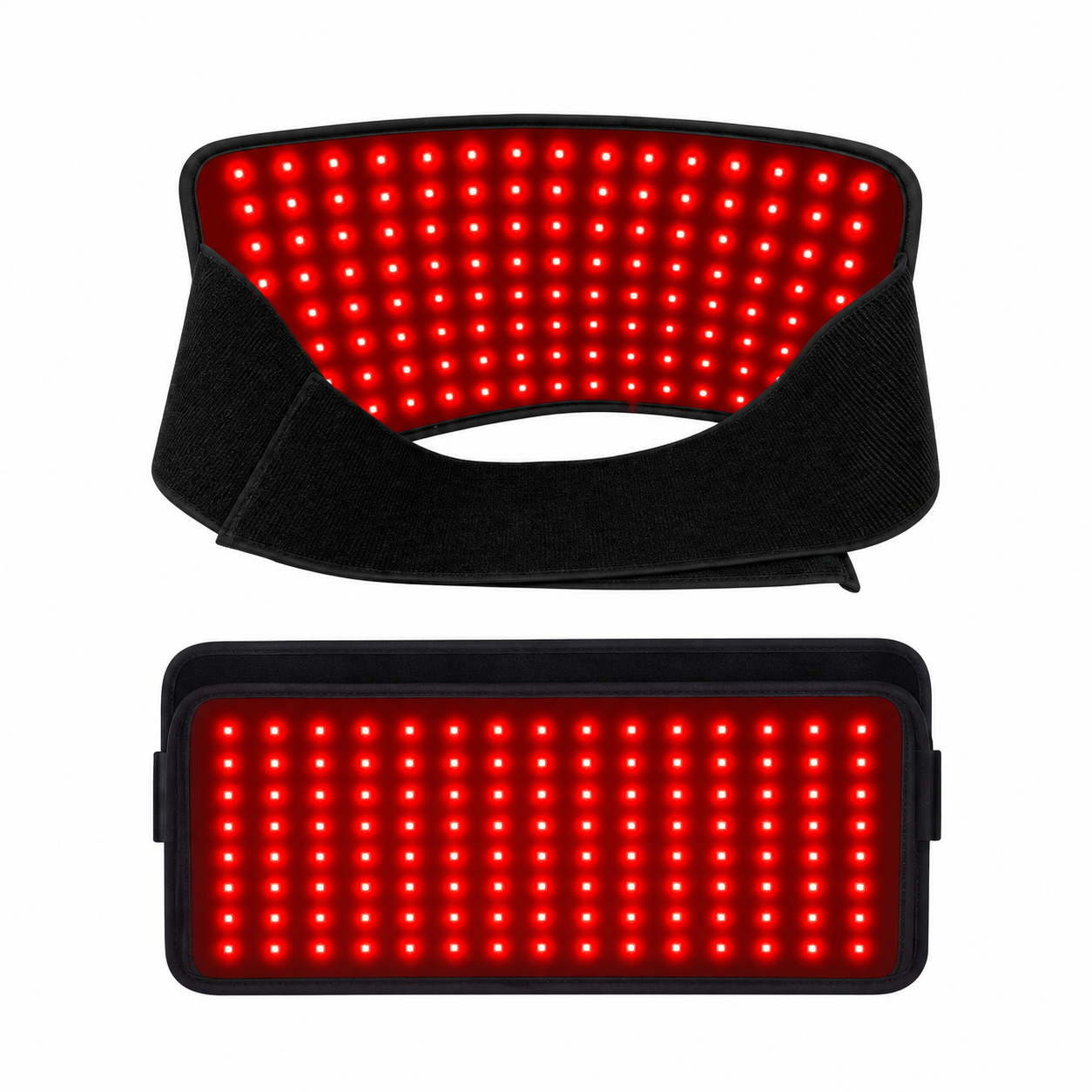
A higher LED count can look impressive on a product page, but it does not automatically translate into better light distribution. What matters is how those LEDs are arranged, how evenly the light spreads, and whether the belt conforms to the body during use.
For a wearable format, fit and contact matter as much as raw count. A belt that sits flat and stays in place can deliver more consistent coverage than a denser design that shifts or gaps.
Buyers should ask:
How is the LED layout organized across the belt?
Does the flexible structure help the light sit close to the body?
Is the coverage appropriate for the intended application area?
AIMEKO's portable red light therapy belt uses a flexible, wearable design with an adjustable strap, which supports consistent positioning during use. The point is not the number alone, but how the format supports even coverage.
Power is often treated as a shortcut for quality, but higher output is not automatically better for every use case. A more powerful device may require different session lengths or feel less comfortable for everyday home use.
What buyers should consider is whether the power level matches the intended scenario. A portable belt designed for home wellness and short, regular sessions may prioritize comfort and consistency over maximum output.
Buyers should ask:
What session length is the product designed for?
Is the output appropriate for home wellness use?
Does the design balance output with comfort and portability?
Power is one part of the picture, not the whole decision.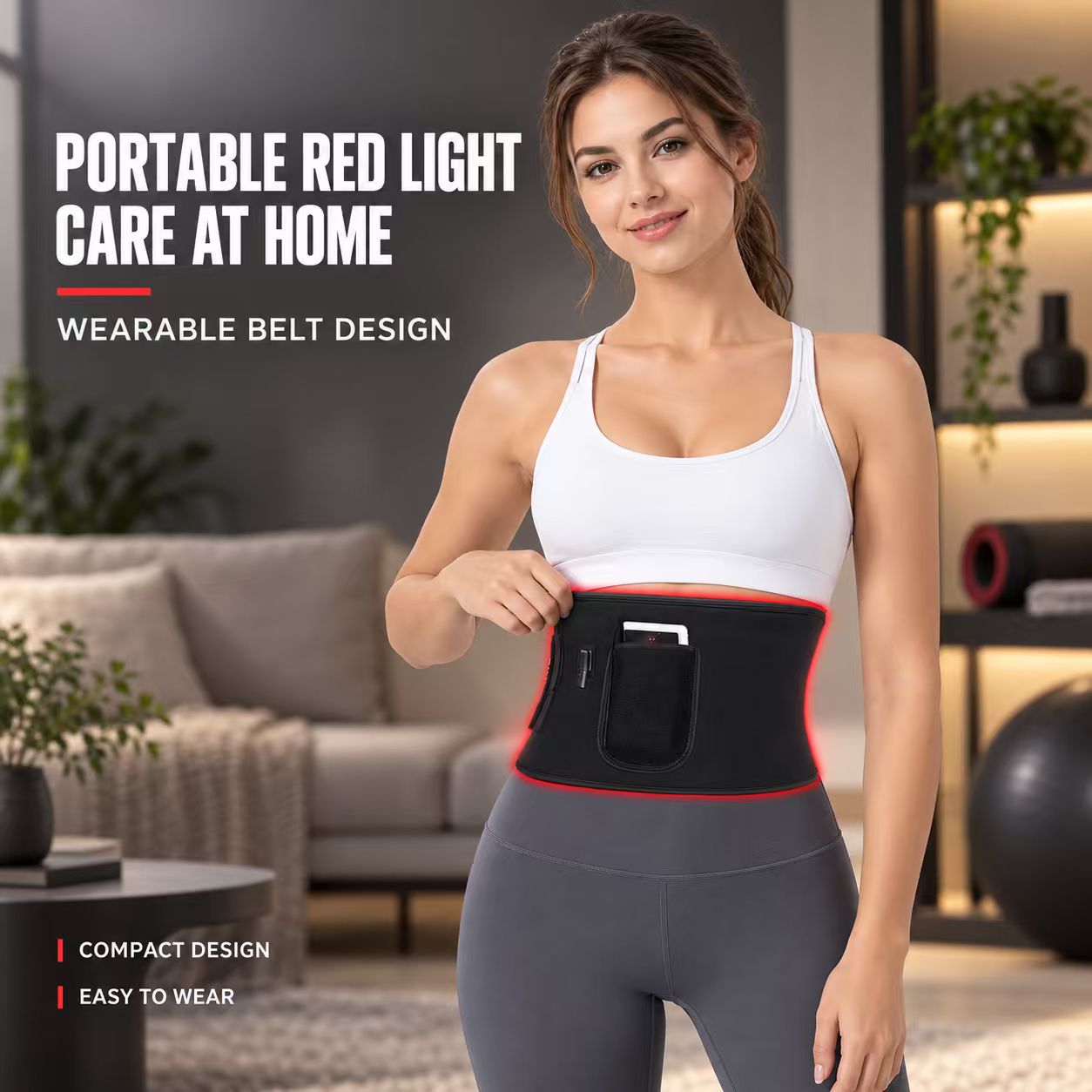
A common assumption is that a belt is simply a panel in a different shape. In practice, the two formats serve different purposes.
A panel is typically used for broader, stationary coverage, while a belt is designed to be worn and to follow the body during movement. That changes how the product fits into a daily routine and which customers it suits.
Buyers should ask:
Is the product meant for stationary or wearable use?
Does the format match the target customer's routine?
Does the design support the application area it is intended for?
Treating a belt as a smaller panel can lead to the wrong positioning in a product line.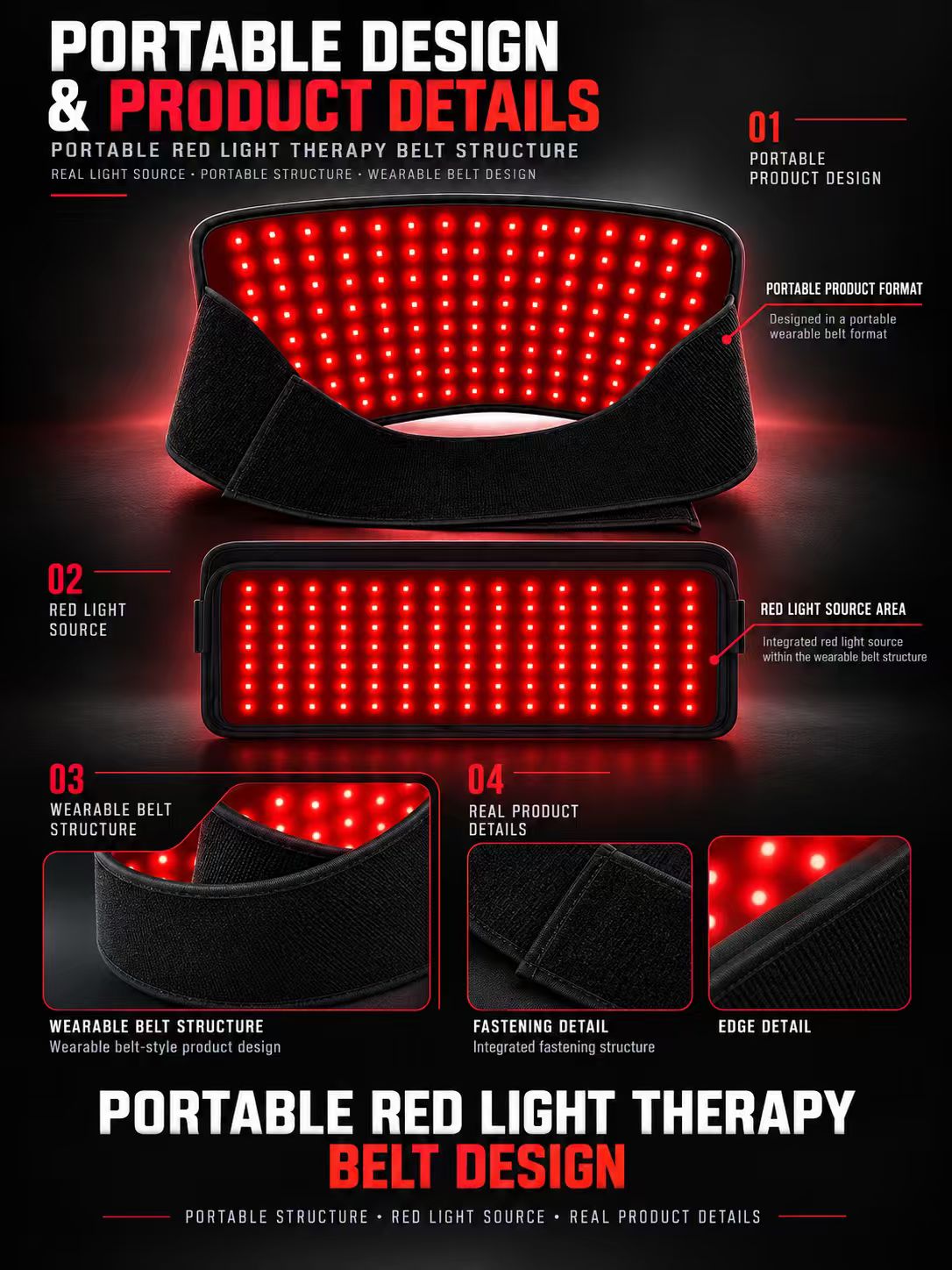
Wavelength is an important part of any red light therapy product, but a number on its own does not explain how the device performs in use. What matters is whether the wavelength configuration matches the product's intended positioning and application.
For buyers, the more useful question is not "what is the number?" but "what is this configuration designed to support?"
Buyers should ask:
Does the wavelength configuration match the intended use case?
Is the product positioned clearly for its target customer?
Are the claims supported by the confirmed product information?
AIMEKO's portable belt is built around red and near-infrared light for wellness use. The configuration should be evaluated as part of the overall product, not in isolation.
Private label sounds straightforward until the product is flexible, wearable, and dependent on consistent assembly. Not every supplier has the same experience with this format.
Buyers should look beyond the offer of a logo and ask how the supplier handles production consistency, material selection, and the practical details of a wearable design.
Buyers should ask:
Does the supplier have experience with wearable formats?
What private label options are actually confirmed?
How is consistency maintained across production runs?
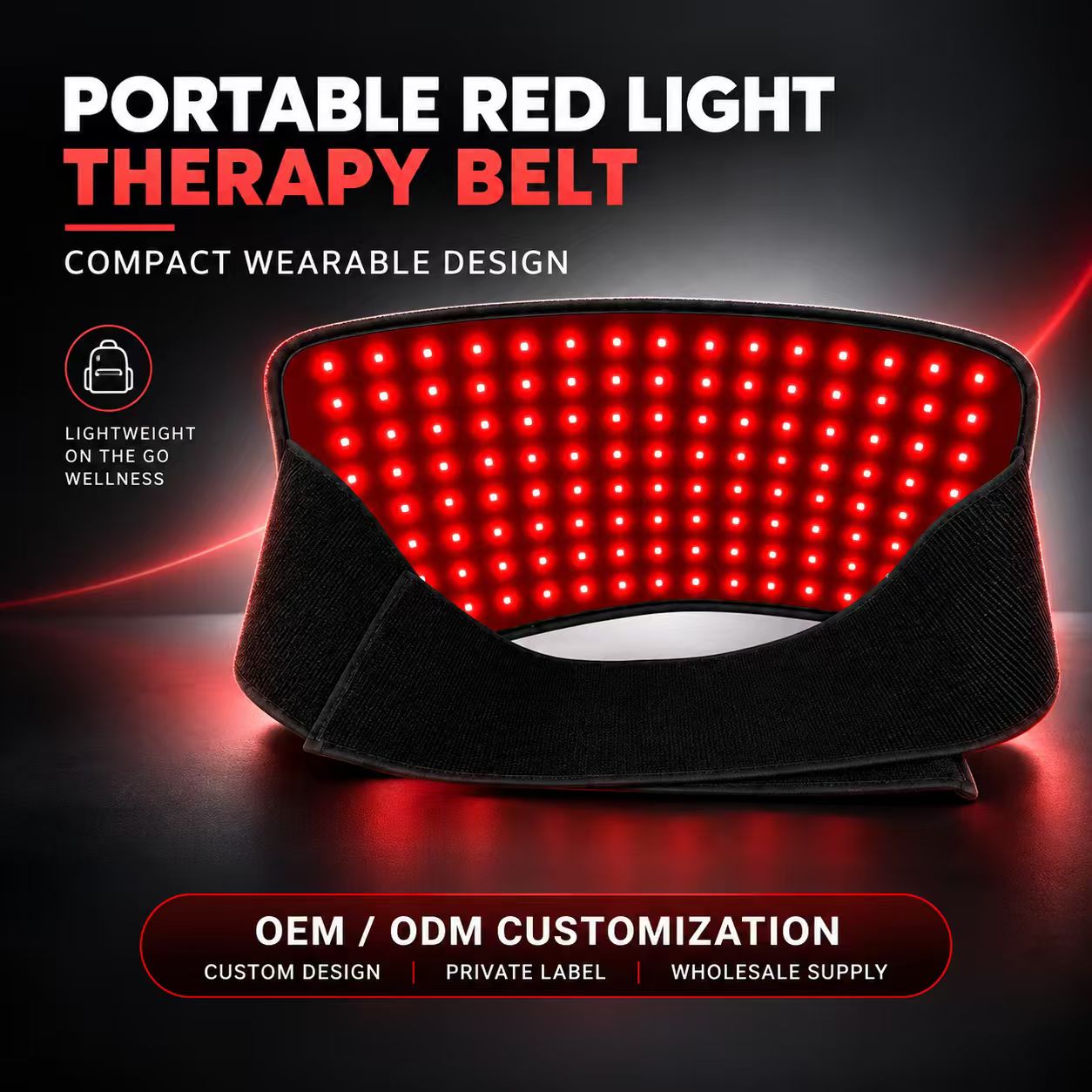
AIMEKO supports OEM, ODM, and private label development for portable red light therapy belts, which makes it easier for brands and distributors to build a product around their own positioning.
For brands, distributors, and retailers building a portable red light therapy range, AIMEKO provides OEM, ODM, and private label support. Buyers can discuss product configuration and application requirements based on their target market.
The right portable red light therapy belt is not selected by a single specification. LED layout, power, format, wavelength positioning, and private label capability should be considered together, and each should be judged against the intended use case.
For B2B buyers developing a wellness product range, AIMEKO can provide portable red light therapy belt options based on different application and positioning requirements.
Looking for a portable red light therapy belt for your product range? Contact AIMEKO to discuss suitable configurations and private label requirements.




